
How Much Heat Does Residential Window Tint Actually Block in Florida?
Florida homes take a beating from sun exposure, especially rooms with large west-facing or south-facing windows. Residential window tint can help reduce the amount of solar heat entering through the glass, making hot rooms more comfortable without replacing the windows.
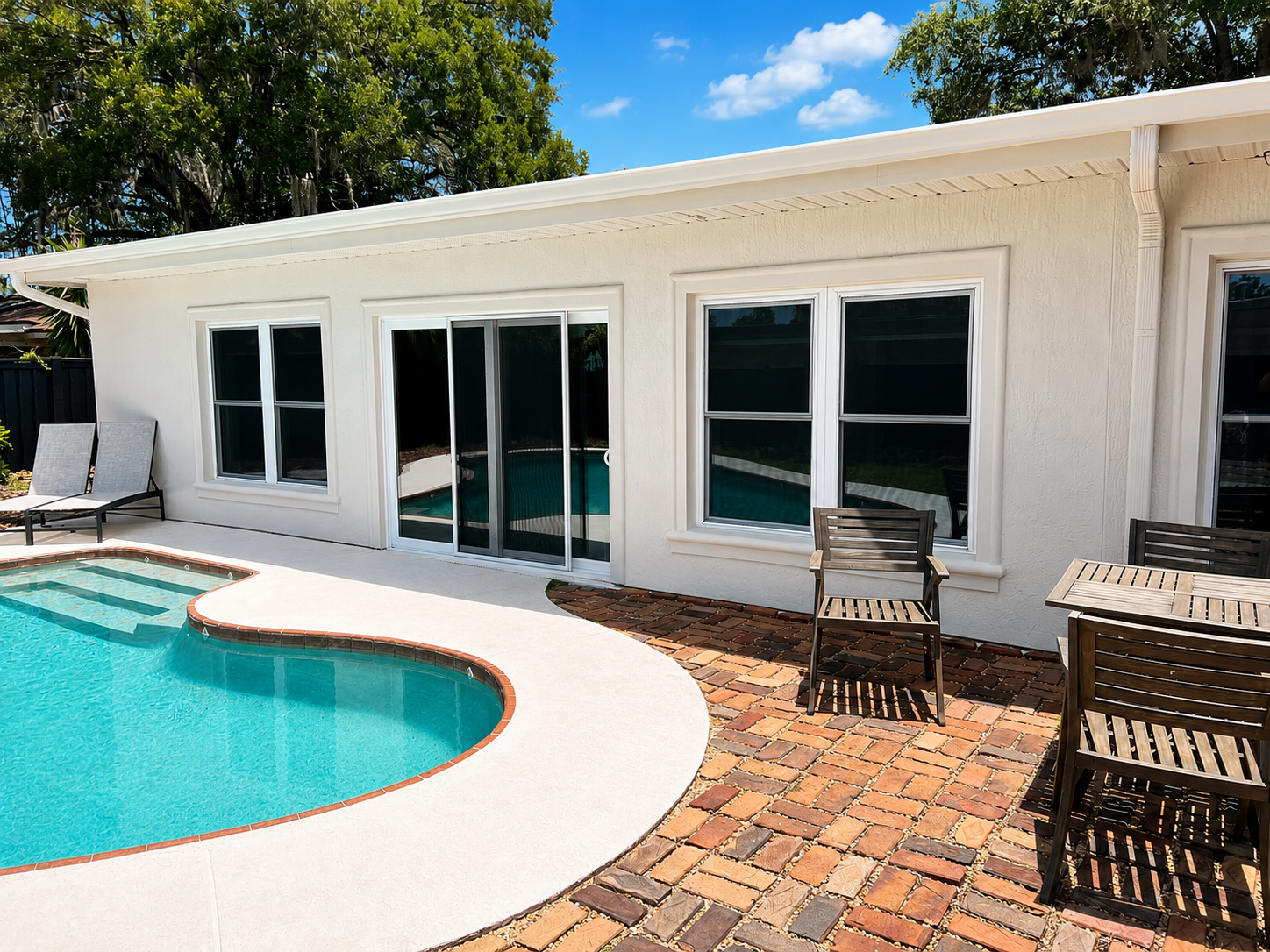
Why Florida Homes Get So Hot
In Orlando and across Central Florida, a room can feel hot even when the thermostat says the house is cooling. That is often because direct sun is heating the glass, floors, furniture, and air near the window. Large picture windows, sliding glass doors, and open floor plans can make that heat spread quickly through living rooms, kitchens, lofts, and primary suites.
West-facing windows are especially challenging because they get intense afternoon sun when outdoor temperatures are already high. If your living room, bedroom, upstairs office, or patio door area feels uncomfortable after lunch, residential film may help reduce the harsh solar heat entering through the glass.
Tint Force Orlando brings premium installation experience, lifetime warranty options, and 500+ five-star reviews to homeowners who want practical guidance instead of exaggerated savings claims.
How Residential Window Film Blocks Heat
Residential window film is applied to the inside surface of existing glass. Depending on the film, it can reflect, absorb, or filter portions of solar energy before that heat builds up inside your home.
Modern home window film in Orlando is not just about making glass darker. Many films are designed to target infrared heat and UV rays while still allowing natural light into the room.
- The film’s Total Solar Energy Rejection rating
- How much direct sun hits the window
- Whether the glass faces west, south, east, or north
- Glass type, including insulated or low-e glass
- Window size, room layout, insulation, and HVAC performance
- Whether the room also has blinds, curtains, overhangs, or shade trees
How Much Heat Can Residential Window Film Reject?
The honest answer is: it depends on glass type, sun exposure, film type, and home layout. Some premium residential films can reject a significant share of total solar energy, while lighter films may focus more on glare reduction, UV protection, or preserving a clear view.
For many Orlando homeowners, the goal is not to turn a hot room into an icebox. The goal is to reduce the harsh heat coming through the glass so the room feels more balanced with the rest of the house. A properly selected heat reduction window film can help make afternoon rooms more comfortable and easier to use.
Can Window Film Lower Cooling Demand?
Window film can help lower the amount of solar heat your air conditioner has to fight in rooms with heavy sun exposure. That may reduce AC strain, help rooms recover faster, and improve comfort during hot afternoons.
Tint Force does not promise guaranteed utility bill reductions because every home is different. Cooling demand depends on HVAC size, insulation, ductwork, thermostat settings, window orientation, glass type, and the film selected. If energy comfort is your main goal, compare residential film options with our energy-saving window film guide.
Request a free residential window film estimate
If one room in your Orlando-area home always feels hotter than the rest, Tint Force can inspect your windows, explain your options, and recommend the right residential window film for your goals.
Request a free residential window film estimateUV Protection and Furniture Fading
Heat is not the only problem. Florida sunlight can fade hardwood floors, vinyl plank, rugs, leather, fabric, artwork, family photos, and display pieces. Quality residential film can block up to 99% of UV rays, which helps slow fading and protect sun-exposed interiors.
UV protection does not stop every cause of fading because visible light and heat also play a role. But adding residential window tint is a practical way to reduce one of the biggest contributors without covering the window all day.
Will Residential Window Tint Make My Home Too Dark?
It does not have to. Homeowners often picture very dark automotive-style tint, but residential film comes in many shades and performance levels. Some films look subtle or nearly clear from inside while still helping with heat, UV, and glare.
If daytime privacy is a priority, a darker or more reflective privacy window film may make sense for street-facing glass. If preserving the view is the priority, a lighter spectrally selective film may be a better fit.
Which Windows Benefit the Most?
Afternoon sun is often the biggest heat complaint in Orlando homes, especially when the main living area faces open yards, ponds, or pool decks.
Rooms that heat up late in the day can stay uncomfortable into the evening, even after the thermostat reaches its set point.
Large sliders near patios, lanais, and pools can bring in a lot of solar heat and glare because they have so much exposed glass.
Sunrooms are built for light, but film can help make them more usable during bright Central Florida afternoons.
Big fixed panes can create hot spots, glare on TVs, and fading on floors or furniture near the glass.
Second-floor bedrooms, lofts, and offices often feel warmer already, so reducing solar gain at the glass can help comfort.
Where Florida Homes Feel Heat the Most
The biggest comfort issues usually show up where Central Florida sun hits the same glass for hours. West-facing living rooms, bedrooms with afternoon sun, sliding glass doors, sunrooms, large picture windows, and upstairs rooms are often the first places homeowners notice heat, glare, and fading.
A targeted residential window tint project can focus on those problem areas first, then expand later if you want more consistent comfort and appearance throughout the home.
Without Window Film vs. With Quality Residential Window Film
| Concern | Without Window Film | With Quality Residential Window Film |
|---|---|---|
| Afternoon heat | Rooms can feel warmer than the thermostat suggests, especially on west-facing glass. | Film can help reduce solar heat gain so the room often feels more balanced. |
| Glare | TVs, monitors, and seating areas may be difficult to use during bright hours. | Film can reduce harsh brightness while keeping natural light available. |
| Furniture fading | UV exposure can speed fading on floors, rugs, fabrics, leather, and artwork. | Quality film can block up to 99% of UV rays and help slow fading. |
| Hot spots | Areas near sliders and large panes may feel noticeably hotter than the rest of the room. | Film may reduce the intense heat felt close to sun-exposed glass. |
| AC strain | The system may work harder to offset solar heat in problem rooms. | Reduced solar gain can help lower cooling demand in treated areas. |
| Privacy | Street-facing and neighbor-facing windows may require closed blinds during the day. | Certain films can improve daytime privacy while preserving more usable light. |
Central Florida Residential Window Film Project

This Orlando-area homeowner wanted to reduce afternoon heat while maintaining natural light. Residential window film helped improve comfort, reduce glare, and provide UV protection without replacing the existing windows.
Should You Tint Every Window?
Not always. Many homeowners start with the rooms that create the most discomfort, then decide whether to add more windows later. A targeted project can be the right choice when only one side of the house gets harsh sun.
Whole-home film can make sense when you want a consistent appearance, broad UV protection, glare reduction, and comfort improvements across multiple rooms. A free estimate helps you compare both approaches window by window.
Residential Window Tint vs. Blinds and Curtains
Blinds and curtains help with brightness and privacy, but they usually work after heat has already passed through the glass. They also block the view and natural light when closed.
Residential film works at the glass, so it can help reduce heat and UV exposure while keeping your windows usable during the day. Many homeowners use film together with blinds or curtains for flexible privacy, nighttime coverage, and additional glare control.
When to Request a Free In-Home Estimate
Request an estimate if certain rooms feel hotter than the rest of the house, your floors or furniture are fading, glare makes TVs or monitors hard to see, or you want daytime privacy without keeping blinds closed.
If one room in your Orlando-area home always feels hotter than the rest, Tint Force can inspect your windows, explain your options, and recommend the right residential window film for your goals. Request a free estimate today.
Frequently Asked Questions
Does residential window tint really reduce heat?+
Which windows should I tint first?+
Does residential window film work on double-pane windows?+
Will window film make my home too dark?+
Can window tint lower my electric bill?+
Is residential window film good for Florida homes?+
Can window film help protect furniture and flooring?+
How long does residential window film last?+
Is residential window tint worth it in Florida?+
Ready to Make Your Home More Comfortable?
If one room in your Orlando-area home is always warmer than the rest, Tint Force can help you choose the right residential window film based on your home's windows, sun exposure, and comfort goals. Request a free estimate to learn which solution is right for your home.
Request a free residential window film estimateKeep learning about home window film.
More residential window-film services from Tint Force
Other services we offer
Residential window tint by city
See every city we serveMake hot rooms more comfortable.
Request a free in-home estimate for residential window film in the Orlando area.